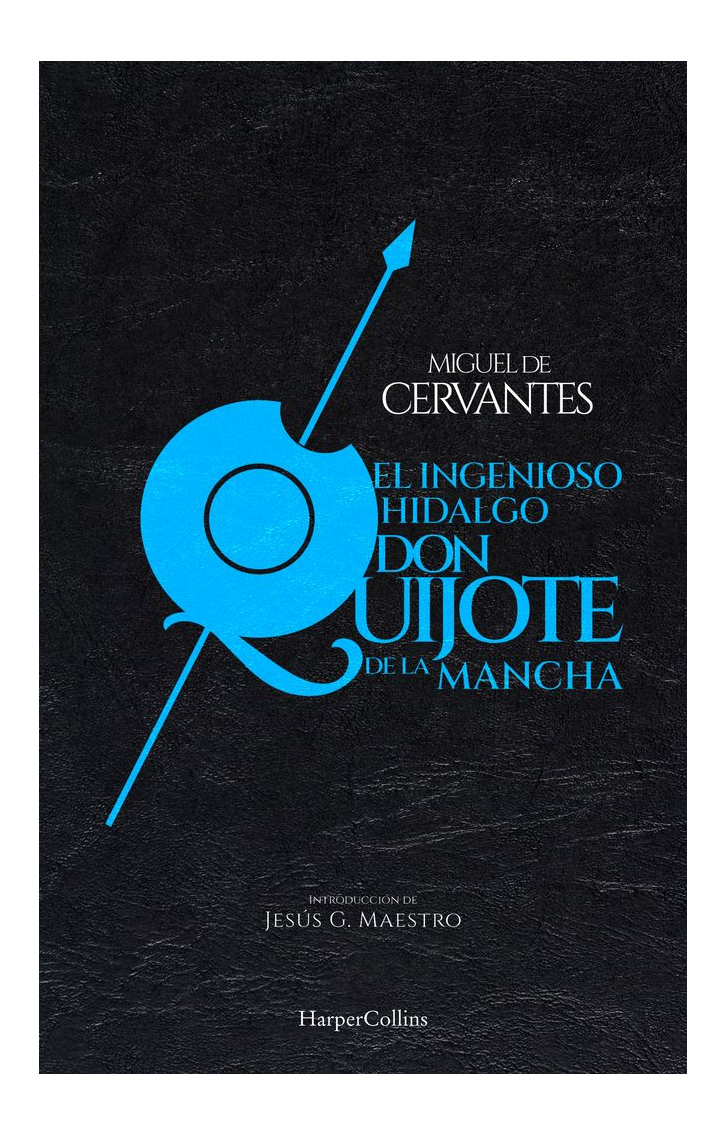
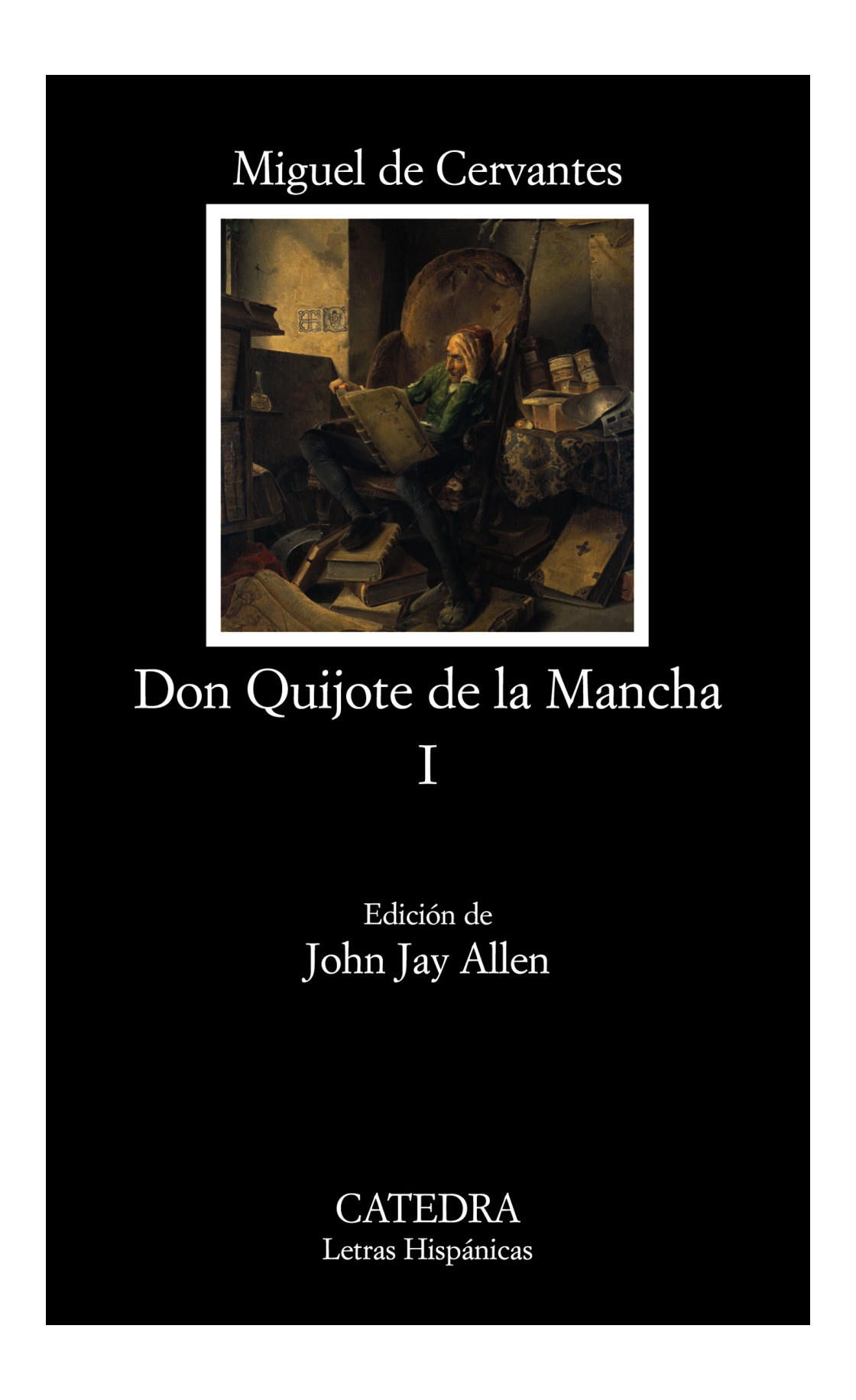
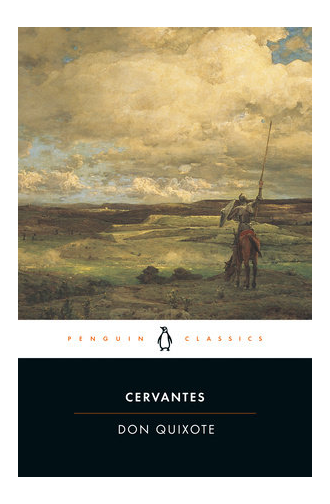
When comparing Don Quixote editions, start with a complete text, comfortable type and notes you can actually use. If you want to read in English, check the translator and supporting material too. A different cover does not necessarily mean a different translation or set of notes.
On this page
Four checks before choosing
- Contents: Both complete parts, or an adaptation clearly described as such.
- Credits: The author, textual editor, translator and introduction writer have different roles.
- Support: See whether the notes answer your questions and where they appear.
- Format: Compare readability, weight, binding and handling, rather than page count alone.
Documented editions
Affiliate links. As an Amazon Associate I earn from qualifying purchases.
| Edition | Confirmed information | What to consider |
|---|---|---|
| John Rutherford, Penguin Classics | English translation; introduction by Roberto González Echevarría; ISBN 9780142437230; paperback, 1072 pages. | An option if you want Rutherford’s translation and notes. Use an authorized sample to test whether the voice suits you. |
| Edith Grossman, Ecco/HarperCollins | English translation; introduction by Harold Bloom. A 2003 catalog record identifies ISBN 0060188707; the 2005 paperback record identifies ISBN 9780060934347. | Compare an authorized sample with Rutherford. The two ISBNs identify different presentations; check the seller’s format. |
| John Ormsby, historical digital resource | Project Gutenberg identifies Ormsby as the translator of the Volume 1 text in its catalog. | A way to explore a historical translation online. Check the corresponding second part and the resource’s conditions where you live. |
| Don Quixote with an introduction by Jesús G. Maestro | Spanish-language HarperCollins edition; ISBN 9788410648371; hardcover, 896 pages. The publisher gives November 4, 2026 as its on-sale date; record checked on November 14. | Relevant if you want the Spanish text and this introduction. The publisher names Rodríguez Marín without identifying the year of his edition. |
Comparing Don Quixote editions
Read an authorized sample of the same passage in each translation. Notice whether the knight and squire sound different, whether you can follow a long sentence and whether the notes clarify an allusion. Keep what you establish from the sample separate from material you have not read.
We do not declare a universal winning translation or imply a full comparison of these volumes. Bibliographic details identify the options; the method helps you choose according to your reading needs.
Rutherford, Grossman and Ormsby: One opening, three effects
The narrator begins Part One, Chapter 1 by withholding the village’s name. That small interruption is a useful test: Does the English sound like an uncertain memory, a deliberate refusal, or a formal storyteller addressing us?
| Translation | Short phrase | Our reading of this phrase |
|---|---|---|
| John Rutherford, 2001 text quoted by Charron | I cannot quite recall |
The hesitation makes the narrator sound fallible. The qualification softens the interruption, as if he were retrieving a memory in conversation. |
| Edith Grossman, 2003 text quoted by Charron | I do not care to remember |
The narrator chooses what to tell. The apparent indifference briefly interrupts the solemn task of introducing a hero. |
| John Ormsby, historical translation | I have no desire to call to mind |
The refusal remains explicit, with a more formal cadence. A reader comfortable with historical English may enjoy that distance. |
What this comparison establishes: A difference in narrative voice at one precise point. It does not establish which version is funniest or most accurate throughout the novel. The modern phrases are reproduced in Marc Charron’s study of naming and translation, page 19; Ormsby’s opening is readable directly in Project Gutenberg, Chapter I. These are the passages compared here, rather than a claim to have read every edition in full.
Notes and humor: A list of credits cannot show whether a note helps you understand a joke. Penguin explicitly credits Rutherford’s notes and González Echevarría’s introduction. Before choosing for study, use a sample to check how an unfamiliar word or literary reference is explained. The contrast above concerns the narrator’s comic authority; it does not test Sancho’s speech or later puns.
Editions for study or gifts
For study, consider indexes, annotation and the ease of citing parts and chapters. For daily reading, test how the book feels for several minutes. For a gift, binding may matter, but first confirm the language and complete contents. Total page counts do not measure how much of the novel an edition contains: Type, notes and introductory material affect them.
| Your purpose | A useful starting point | Check before choosing |
|---|---|---|
| First reading in modern English | Compare Grossman and Rutherford at the opening above. Start with the voice that feels easier to follow, then try a page of dialogue in an authorized preview. | A short narrative phrase cannot establish how either translation handles all of Sancho’s jokes. |
| Study or a reading group | Rutherford is an option with explicitly credited notes and an introduction by González Echevarría. Use the translation assigned by your course when quotations need to match. | The location of notes, the edition’s page numbers and the passages your group will discuss. |
| Read online without buying first | Ormsby’s historical translation is available in Volume 1 and Volume 2 at Project Gutenberg. | Whether its period vocabulary suits you. Gutenberg identifies these texts as public domain in the USA; check the applicable terms where you live. |
| A gift | Choose the recipient’s language and preferred translation before choosing the binding. | The exact ISBN and format. A different cover is not evidence of a revised translation. |
For the US and UK, compare the ISBN in the publisher’s record with the store’s listing. The same translation can appear in different regional formats. The Amazon US and UK options above are separate store links; their existence does not establish stock, delivery or identical editions.
Check the exact edition
Use the ISBN to verify language, binding, current availability and shipping to your country. These records do not guarantee delivery or supply current prices. The Maestro edition page explains this Spanish-language volume and the dated availability checks. Our reading guide helps you begin once you choose.
Our support for the Maestro edition
Sources for checking this page
- Publisher record Penguin Classics ISBN 9780142437230
- Instituto Cervantes: Registro de traducción Grossman, edición 2003
- Pauline Whitaker Library, NWACC: Edición Ecco paperback 2005
- Project Gutenberg, Don Quixote volumen 1, John Ormsby
- Publisher record ISBN 9788410648371
- Marc Charron: Naming and Translation, NAMES 57(1), 2009, pages 17–29; opening phrases on page 19
- Project Gutenberg: Volume 2, translated by John Ormsby